Why are hose fitting collars and doglocks so critical?
On 2026-01-09
By Susan Brown
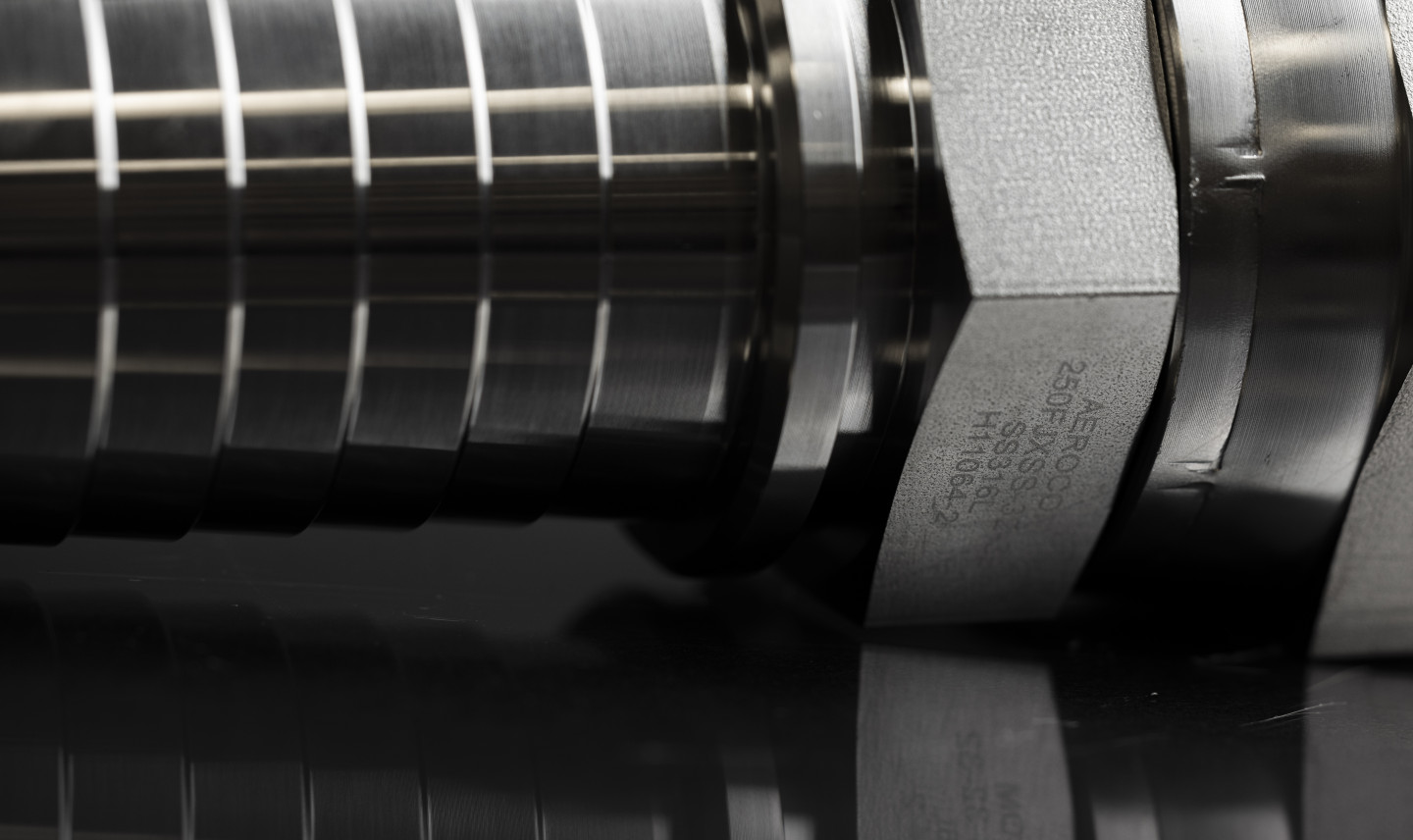
What keeps a hose attached to its fitting when thousands of pounds of pressure are trying to blow it apart? The answer lies in a precisely engineered feature most people never see: the doglock connection between the insert and collar. Get this wrong, and the consequences can be devastating.
Hose inserts and collars (or as they are also known as ferrules) are designed to work together to provide the strongest connection between hose and fittings. There are many different types of hose fittings depending on the type of hose, the threads, orientation and size required.
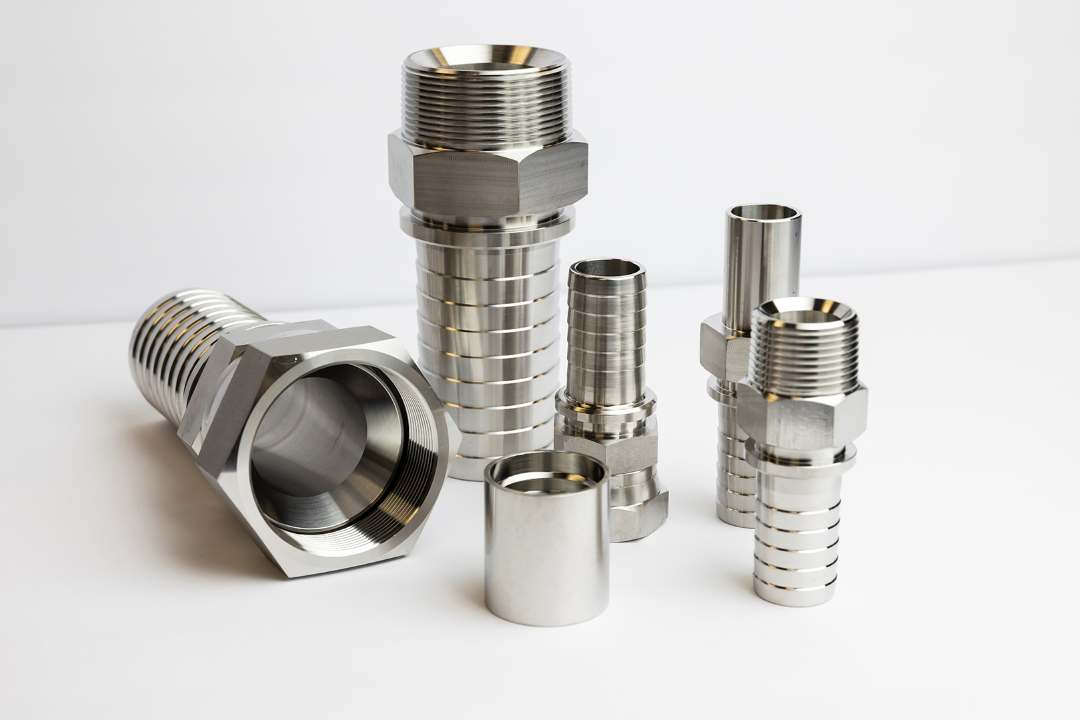
Understanding hose fitting components
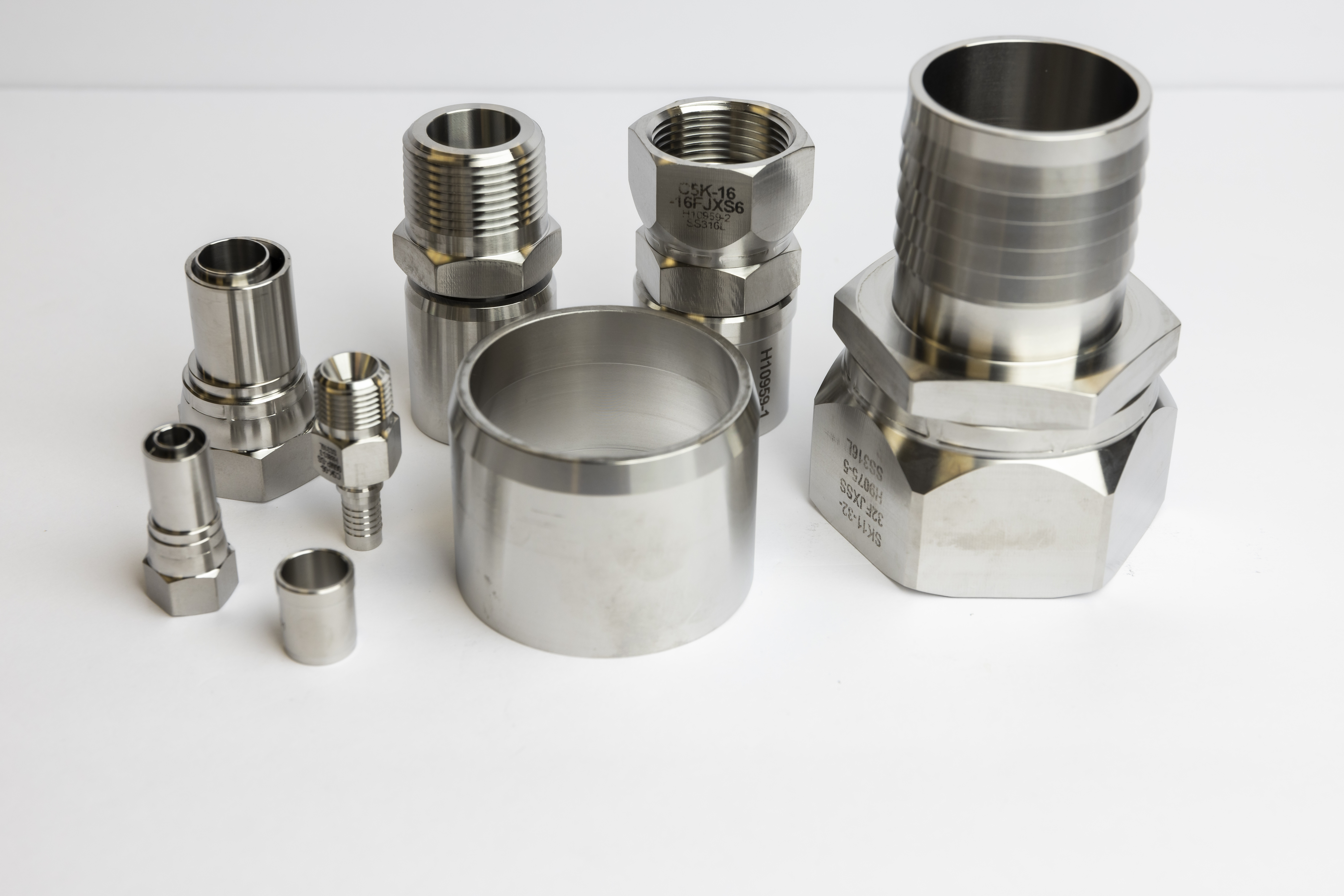
Inserts are the parts that go into the end of the hose which then allows you to connect the assembly to a machine or to an adapter in an assembly line. The hose barbs on the insert dig into the internal hose tube to different degrees depending on the type of hose.

The collars or ferrules are the parts that are installed on the outside of the hose. The collar serrations dig into the external cover of the hose to different degrees also depending on the type of hose construction. The top edge of the collar then fits into the doglock on the insert to become fully secured to the hose and insert.
Designed for grip without damage
Both the collars and inserts are carefully designed to grip enough of the internal tube and external cover to become securely attached but without piercing the hose. The collar serrations and insert hose barbs differ greatly depending on whether the hose construction includes hard or soft rubber, no rubber at all, wire braided cover, wire reinforcements (and how many layers of wire) within the layers or strong synthetic yarn or other materials. Some hose constructions require very sharp serrations and barbs, whereas others require almost smooth ones or even no serrations at all.
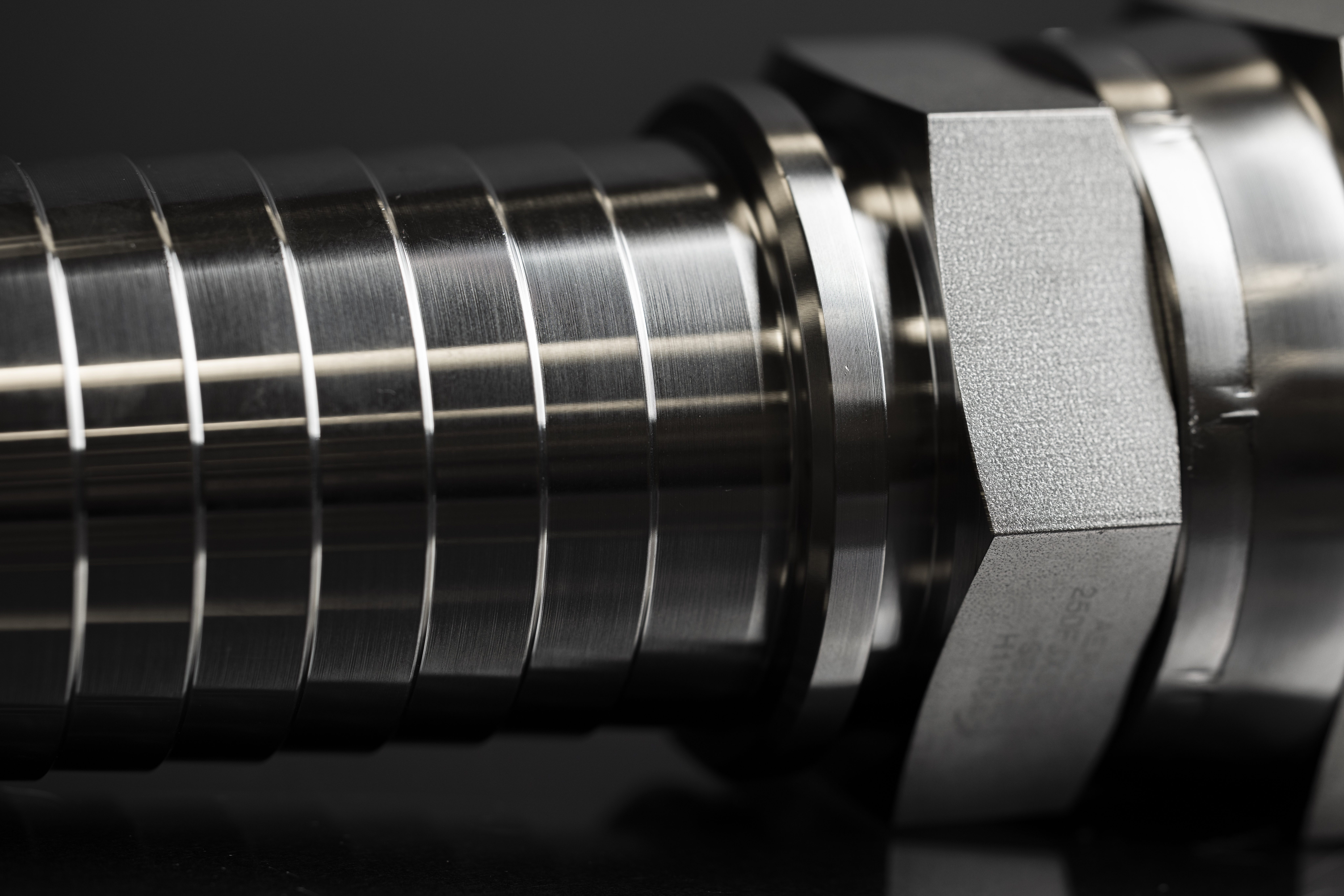 The doglock (also known as the bite zone or retention feature) is the area where the collar connects to the insert. The doglock is the grooved or stepped shoulder on the insert, between the hose barb and the hex (or wrench flats) of the threaded connection end of the fitting. The doglock on the insert is specifically designed (OD, width, depth) to meet up with the lip on the specific mating collar.
Selecting the right fittings: know your hose type and don't mix them up!
When selecting the type of hose insert and collar, it is critical to know the hose type (and therefore the hose construction) in order to select the fittings that will work best with your hose. Many hose inserts and collars are designed specifically to be used with one specific type of hose, and should not be used with other hoses as they may not stay attached to the hose when under pressure. As well, mixing inserts and ferrules from different manufacturers, or from different product lines will most likely lead to problems as they are not designed to connect to each other.
The danger of mismatched components
If the incorrect (or mismatched components from different manufacturers or different series/types) hose inserts and collars are installed on a hose and put into service, there could be a disconnection or blow out where the insert and collars blow off the hose. This could result in serious injuries to personnel and extensive damage to equipment.
Manufacturer’s perform various tests during design and prior to using most fitting and hose combinations to ensure that they will withstand the pressures and temperatures that the hose may be subjected to while in service.
It is also recommended that installers perform very close inspection during the installation process and after the fittings are installed on each hose to ensure that the crimping was performed properly and gave the required results. The recommended hydrostatic test also provides assurance that the fitting to hose connection will perform as required under pressure.
The crimping process
In order to attach this type of insert and ferrule to the hose, the fitting components have to be crimped (or swaged) onto the hose. (There are however some types of hose fittings that can be installed without the crimping and swaging, but those are a different kind of hose fitting altogether). Crimping (or swaging) involves using a mechanical process (crimp machine or swager).
Using the target crimp diameter (or outside diameter of the crimped ferrule) determined through testing, it is important to select the correct dies, position the components properly in the crimper and to proceed carefully to ensure that the material flows as required into the doglock area without cracking the fitting or compressing the hose so much that it collapses or damages the insert inside the hose. This crimping process will compress the collar onto the hose, securing the insert and collar into a carefully designed product which will remain connected to the hose when in service.
The crimp diameter should be verified throughout the process, especially once the crimping is complete. Some combinations of hose and fittings require a very skilled and careful touch and an experienced hand in order to get a ‘good’ crimp.
Best practices and industry standards
SAE J1273 can be a helpful resource when assembling hoses, as it provides recommended practices including guidelines for the safe selection, routing, fabrication, installation, maintenance, and storage of hydraulic hose assemblies in fluid-power systems, emphasizing safety and preventing failures by considering factors like pressure, temperature, fluid compatibility, and environmental conditions to avoid serious injuries and property damage. It is important to note that each system needs careful analysis for proper component selection and configuration.
Other associations such as NAHAD can also provide guidelines and instructions in hose assembly best practices.
Suppliers such as Aerocom Specialty Fittings can help by either assembling the hose and fittings for you, or by providing some information about assembling procedures.
Providing the hose type to get the right fittings
When purchasing hose inserts and collars, it is critical to provide the type of hose that the fittings will be used with so that the correct type of fittings and collars are provided. Incorrect fittings can create all sorts of problems for the assembler as well as the end user.
By providing the hose type and maybe even the hose dimensions, manufacturer/brand, a description of the hose along with the dimensions of the hose, the supplier will be better equipped to provide you with the right fittings for your hose assembly.
The Bottom Line: Small Details, Big Consequences
The doglock connection between hose inserts and collars represents precision engineering at its most critical. While this small groove may seem like a minor detail, it's the difference between a reliable, safe hose assembly and a potential disaster. By understanding how these components work together, ensuring proper matching of inserts and collars, and following correct crimping procedures, you protect both your personnel and your equipment. The few extra minutes spent verifying the right fittings can prevent costly downtime, equipment damage, and serious injuries—making the doglock connection one of the most important safety features you'll never see.